Protecting Your Intellectual Property: Key Lessons from the Louis Vuitton Counterfeit Case

A recent Singapore High Court decision ordering an Instagram seller to pay S$200,000 to Louis Vuitton for infringing its trademarks highlights the serious consequences of IP violations—even by small-scale operators. This case offers important guidance for businesses on how to actively protect their IP assets in a digital, fast-moving marketplace.

Why IP Protection Matters

Infringement not only dilutes brand value but can also mislead consumers, damage reputation, and impact revenue. Ignoring unauthorised use or failing to enforce rights early may weaken legal protection over time.

Step-by-Step Guide: How Companies Can Protect Their IP

Step 1: Register Your IP Rights Early and Broadly

Ensure all key assets—logos, brand names, product designs, slogans, and trade secrets—are registered under the relevant IP categories (e.g. trademarks, designs, patents) in each jurisdiction you operate.

  • Louis Vuitton’s success in court was based on its existing trademark registrations.

  • Registration strengthens your legal position and simplifies enforcement.

Step 2: Monitor Online Platforms Regularly

Use internal teams or third-party services to monitor e-commerce sites, social media platforms, and independent online stores for counterfeit listings or unauthorised brand use.

  • In the Louis Vuitton case, the infringer used Instagram accounts to sell replicas with the company’s branding.

  • Detecting such activities early helps prevent scale-up and public confusion

Step 3: Take Swift Action Upon Discovery

Send cease-and-desist letters as a first response. If ignored or breached, escalate quickly to legal proceedings.

  • The seller in the Louis Vuitton case ignored initial warnings and continued operations under new account names, leading to court action.

  • Delay in response may be interpreted as tolerance or weaken your enforcement credibility.

Step 4: Secure Evidence Properly

Collect hard evidence of the infringement. This may include screenshots, transaction records, covert purchases, and expert assessments of the counterfeit nature of the goods.

  • Louis Vuitton purchased several counterfeit items to present clear, physical evidence in court.

  • Strong evidence supports both damages and injunctive relief.

Step 5: Pursue Legal Action Proportionately

If infringement persists, pursue legal enforcement based on the scale and impact of harm. Ensure damage claims are supported by data.

  • Louis Vuitton originally sought higher damages, but the court reduced it to S$200,000 after assessing actual harm and evidence.

  • Excessive or unsupported claims may be rejected by the courts.

Step 6: Monitor for Repeat Infringement

Even after a judgment or settlement, continue monitoring for the same infringer reappearing under different names or platforms.

  • The seller in the case rebranded after the initial warning and continued operations, which was considered in the court’s ruling.

  • Post-enforcement monitoring is essential to maintain control.

Step 7: Educate Internal Teams and Partners

Ensure marketing, sales, and procurement teams understand the company’s IP rights and know how to identify and escalate potential infringements.

  • Many infringement cases originate from distributors or third-party sellers misusing IP assets.

  • Training internal staff and partners reduces the risk of inadvertent violations.

Conclusion

The Louis Vuitton case is a clear example of the importance of defending intellectual property actively, even against small-scale or digital infringers. A structured, proactive approach—built on early registration, ongoing monitoring, and decisive legal action—can protect brand value and send a strong signal to the market that infringement will not be tolerated.

If your company has IP to protect, now is the time to ensure a system is in place—not just for registration, but for enforcement and long-term brand integrity
Guide to starting a company in Singapore

Starting a business in Singapore? We’ve got you covered! 🚀

Our team has prepared a comprehensive guide to help future business owners navigate the company incorporation process with ease.

Whether you’re a local entrepreneur or a foreign investor, this guide covers everything you need to know—from business structures and registration to tax compliance and licensing.

✅ Step-by-step incorporation process
✅ Key requirements and compliance obligations
✅ Practical insights for a smooth startup journey

This resource is designed to save you time and ensure a hassle-free experience as you embark on your business journey. Download the guide now and start your business with confidence!

Click to download the guide to doing business in Singapore.

Extent of Penalty for Non-Compliance and the Importance of Accounting Records

The former Chief Executive Officer of Hyflux Ltd (Hyflux), Ms Lum Ooi Lin, its former Chief Financial Officer, Mr Cho Wee Peng, and four independent directors of Hyflux at the material time were charged in court on 17 November 2022 for disclosure-related offences under the Securities and Futures Act (SFA). Ms Lum was further charged with an offence under the Companies Act (CA) for her failure in ensuring Hyflux’s compliance with accounting standards.

Against Lum Ooi Lin:

(a) One count of section 203(2) read with section 331(1) SFA, for consenting to Hyflux’s intentional failure to disclose information relating to the Tuaspring Integrated Water and Power Project (Tuaspring), when such disclosure was required under the Singapore Exchange Listing Rules (Listing Rules);

(b) One count of section 253(1)(b) read with sections 253(4)(b)(i) and 277(3) SFA for Hyflux’s omission to state the same information relating to Tuaspring in the 2011 Offer Information Statement (2011 OIS). The 2011OIS was issued for the offer of S$200 million, 6% preference shares on 13 April 2011; and

(c) One count of section 201(5) read with section 204(1) CA for failing to ensure that Hyflux made disclosures required under the accounting standards for its financial statements for the financial year ended 31 December 2017. This included the failure to disclose the breach of a subsidiary’s loan agreement that permitted its lenders to demand accelerated repayment.

Against Cho Wee Peng:

(a) One count of section 203(2) read with section 331(1) SFA for conniving in Hyflux’s intentional failure to disclose information relating to Tuaspring, when such disclosure was required under the Listing Rules.

Against four Independent Directors of Hyflux, namely Teo Kiang Kok, Gay Chee Chong, Murugasu Christopher and Rajskar Kuppuswami Mitta:

(a) One count each of section 203(2) read with section 331(1) SFA, for their neglect in connection with Hyflux’s intentional failure to disclose information relating to Tuaspring, when such disclosure was required under the Listing Rules; and

(b) One count each of section 253(1)(b) read with sections 253(4)(b)(i) and 277(3) SFA, for Hyflux’s omission to state the same information in the 2011 OIS.

In accordance with Section 199 of the Companies Act 1967, every company must cause to be kept such accounting and other records as will sufficiently explain the transactions and financial position of the company and enable true and fair financial statements and any documents required to be attached thereto to be prepared from time to time, and must cause those records to be kept in such manner as to enable them to be conveniently and properly audited.

If the default is made in complying with this section, the company and every officer of the company who is in default shall be guilty of an offence and shall be liable on conviction to a fine not exceeding $5,000 or to imprisonment for a term not exceeding 12 months and also to a default penalty.

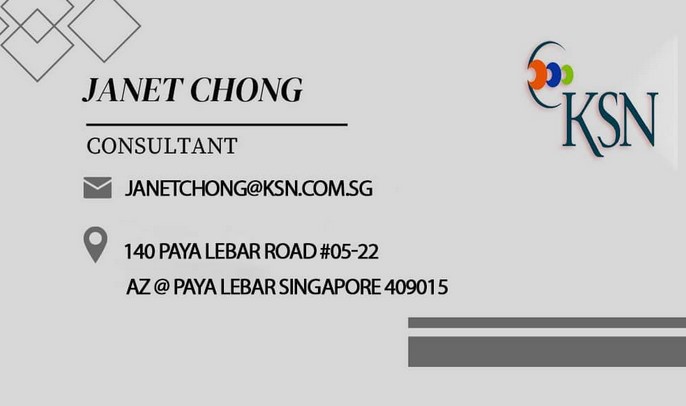
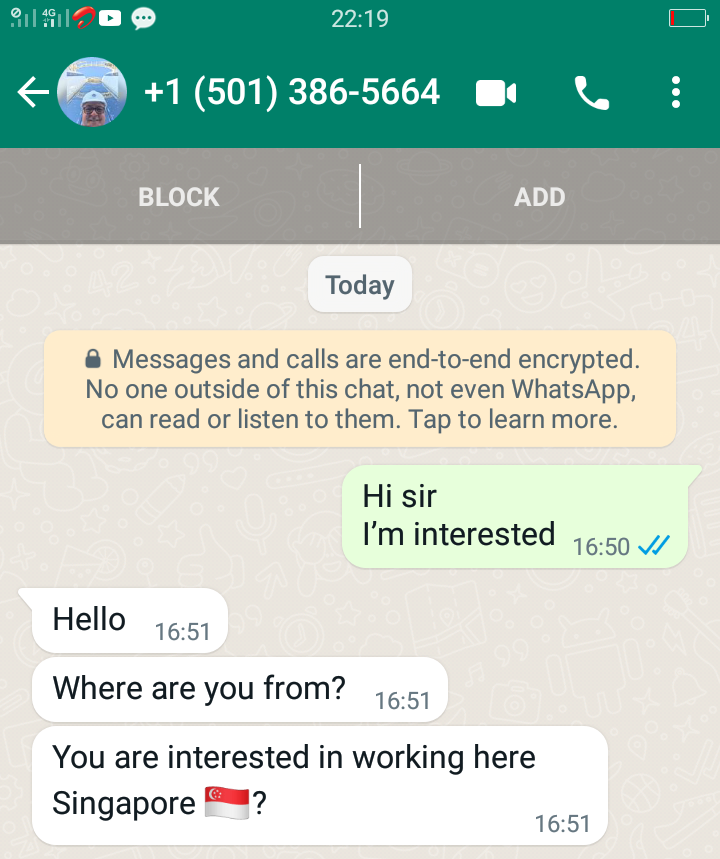
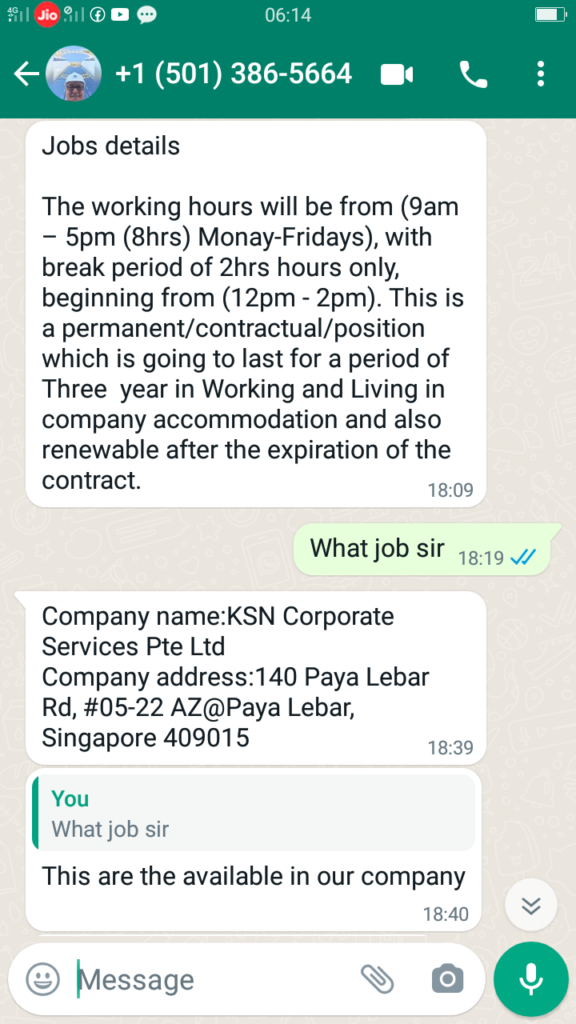
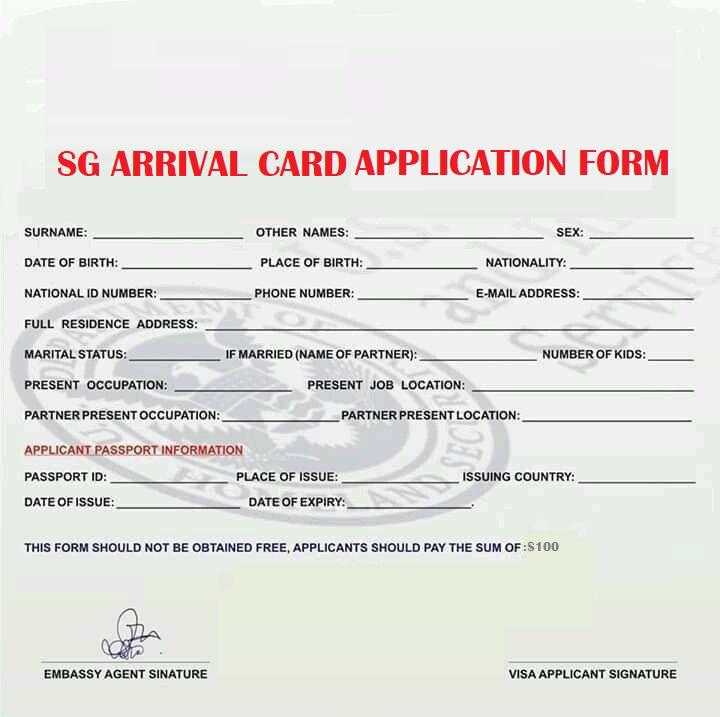
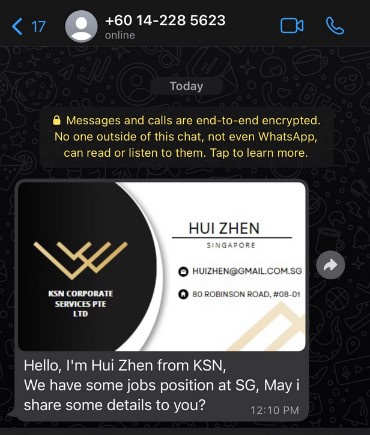
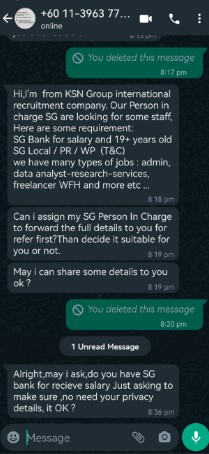
Please beware of fake SMS from ‘KSN’

If you have received a suspicious SMS from an overseas number claiming to be from a recruitment agency, please be aware that it is not from us.

Police reports have been made against the following:

  • janetchong@ksn.com.sg (Report Number: G/20221111/7033)
  • huizhen@gmail.com.sg (Report Number: G/20221111/7035)
  • +1 (501) 386-5664 (Report Number: G/20221122/7058)